One of the things that never stops feeling special about living in New Mexico is how deeply the state understands that land is not just something to be developed — it’s something to be protected, honored, and stewarded.
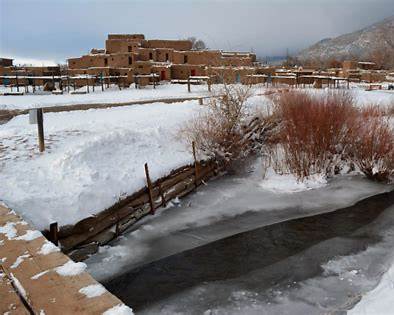
New Mexico is home to 23 federally recognized tribes, including 19 Pueblos, the Navajo Nation, and the Jicarilla Apache Nation. And unlike many places in the country where Indigenous land and culture are treated as an afterthought, here they are woven directly into the fabric of how the state operates.
This shows up in meaningful ways.
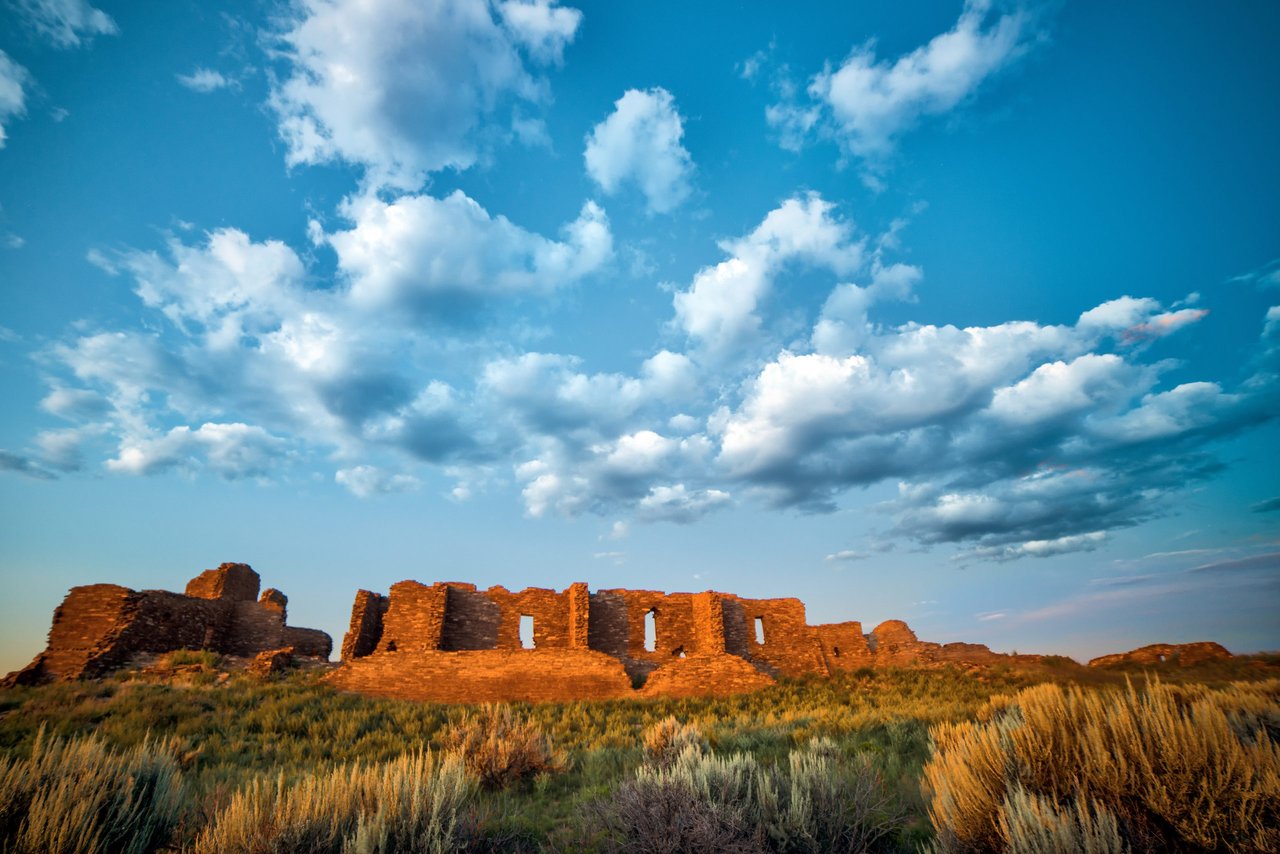
First, land protection. Pueblo and tribal lands are respected as sovereign nations, with clear legal protections that help preserve sacred sites, water rights, agricultural traditions, and cultural continuity. Development near tribal lands is carefully regulated, and there is an ongoing effort — imperfect, but real — to balance growth with preservation. The result is a landscape that still feels ancient, grounded, and alive.
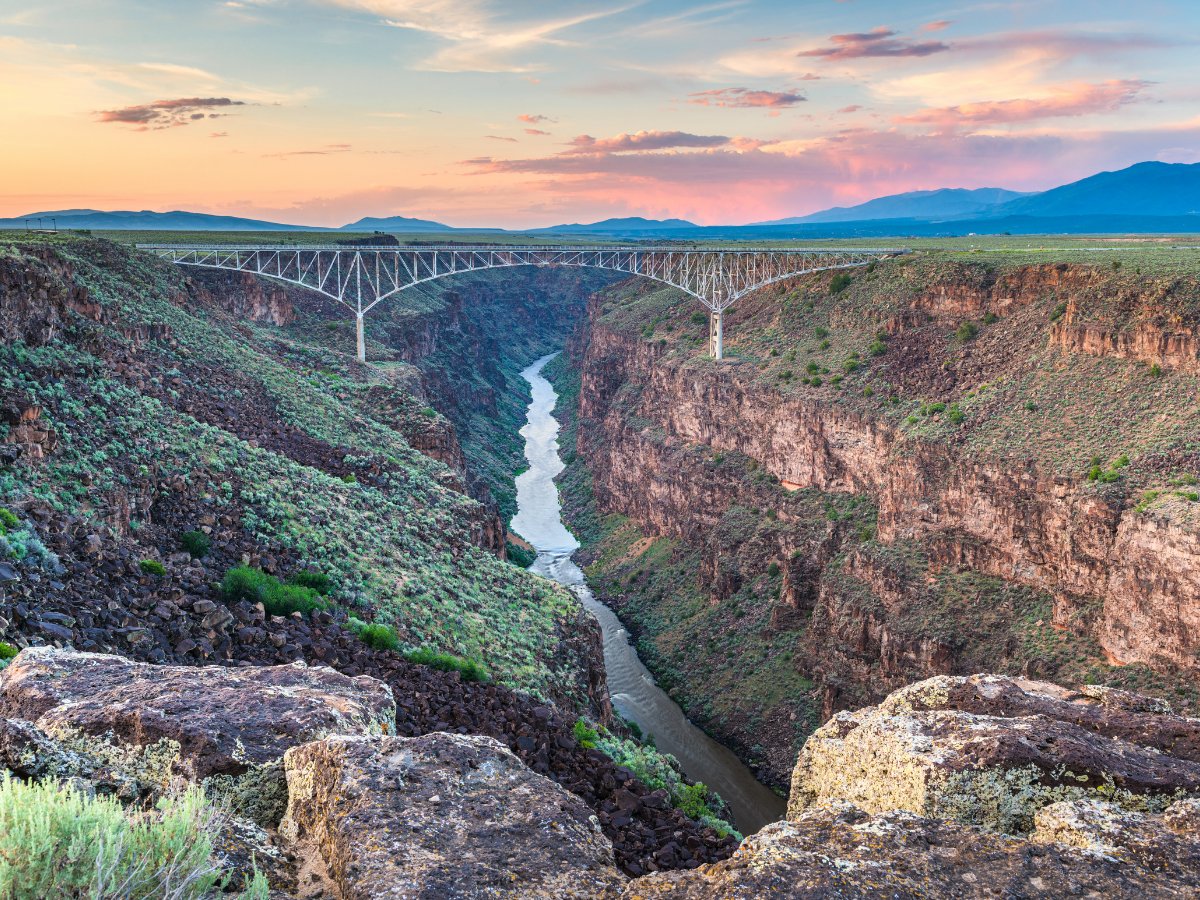
Then there’s the environment. New Mexico has been increasingly proactive about conservation, water protection, and sustainable land use — critical in a high-desert state where water is precious and climate realities are impossible to ignore. From watershed protections to renewable energy initiatives, there’s a strong sense here that if we don’t take care of the land, it simply won’t take care of us.
Education is another quiet standout. New Mexico offers a number of scholarship and tuition assistance programs that prioritize access — especially for Native students and longtime residents. Programs supporting in-state tuition, tribal education departments, and partnerships between public schools and Pueblos help keep students rooted in their communities while opening doors to higher education. It’s not flashy, but it’s impactful.
What I love most is that none of this feels performative. There isn’t a lot of chest-thumping or branding around it. It’s just… how things are done here. Respect for history. Respect for culture. Respect for land that has been lived on, farmed, and cared for for thousands of years.
Living in New Mexico means accepting certain trade-offs — slower timelines, more regulation, fewer shortcuts. But in exchange, you get something rare: a place that still knows who it was before the rest of us arrived, and makes real efforts to protect that identity.
In a world that often prioritizes speed and scale above all else, New Mexico chooses continuity. And that, to me, is not just cool — it’s deeply meaningful.
It’s a privilege to live somewhere that understands that progress doesn’t have to mean erasure, and that stewardship is a responsibility, not a buzzword.