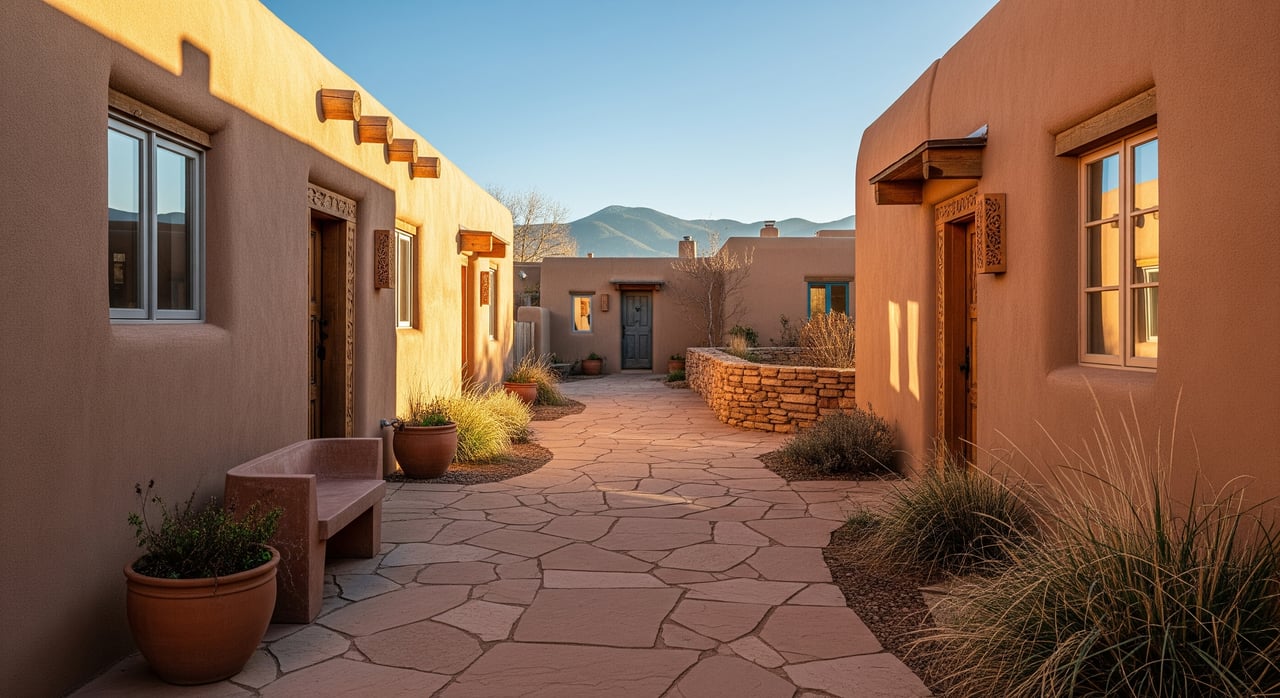
What if your morning started with a short stroll to a café, a wave to neighbors outside a gallery, and a loop back home with fresh bread in hand? If you are picturing a slower rhythm and fewer car trips, Arroyo Seco might be the village that fits. You want scenery, culture, and convenience without the buzz of a larger town, and you also want the real story on what is truly walkable here. In this guide, you will learn how walkable life in Seco works day to day, what to check at each property, and how seasons shape your routine. Let’s dive in.
Why Arroyo Seco fits a walkable lifestyle
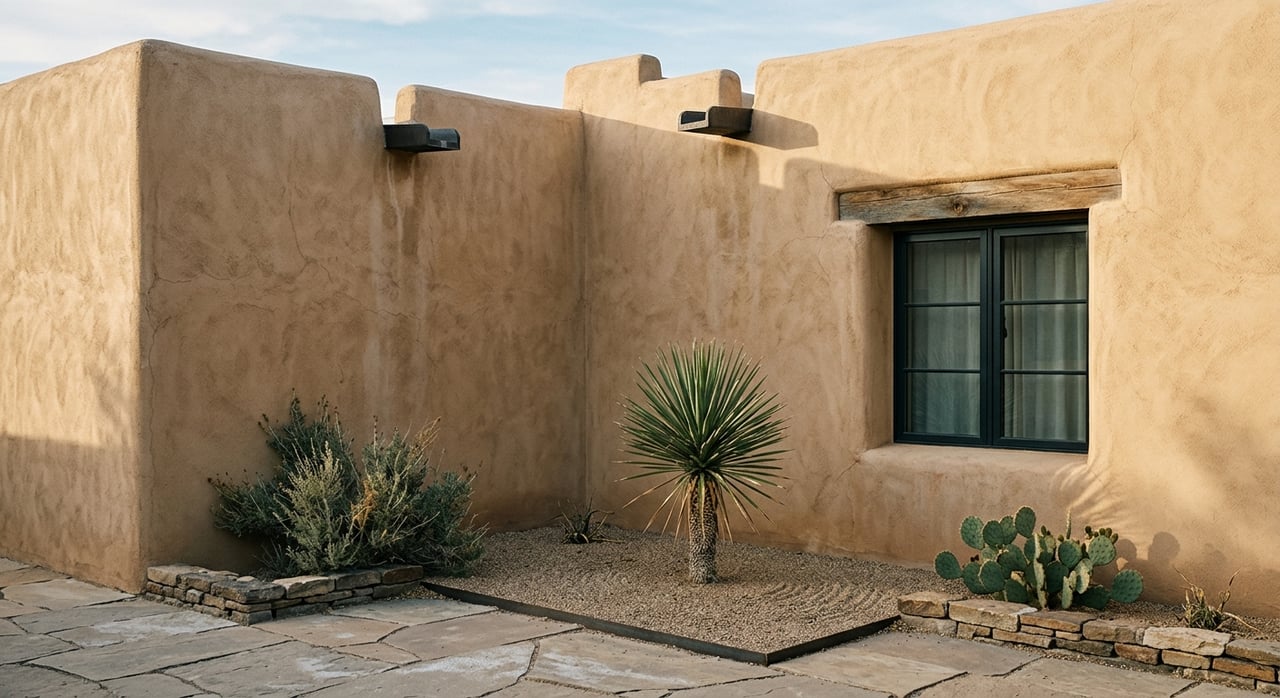
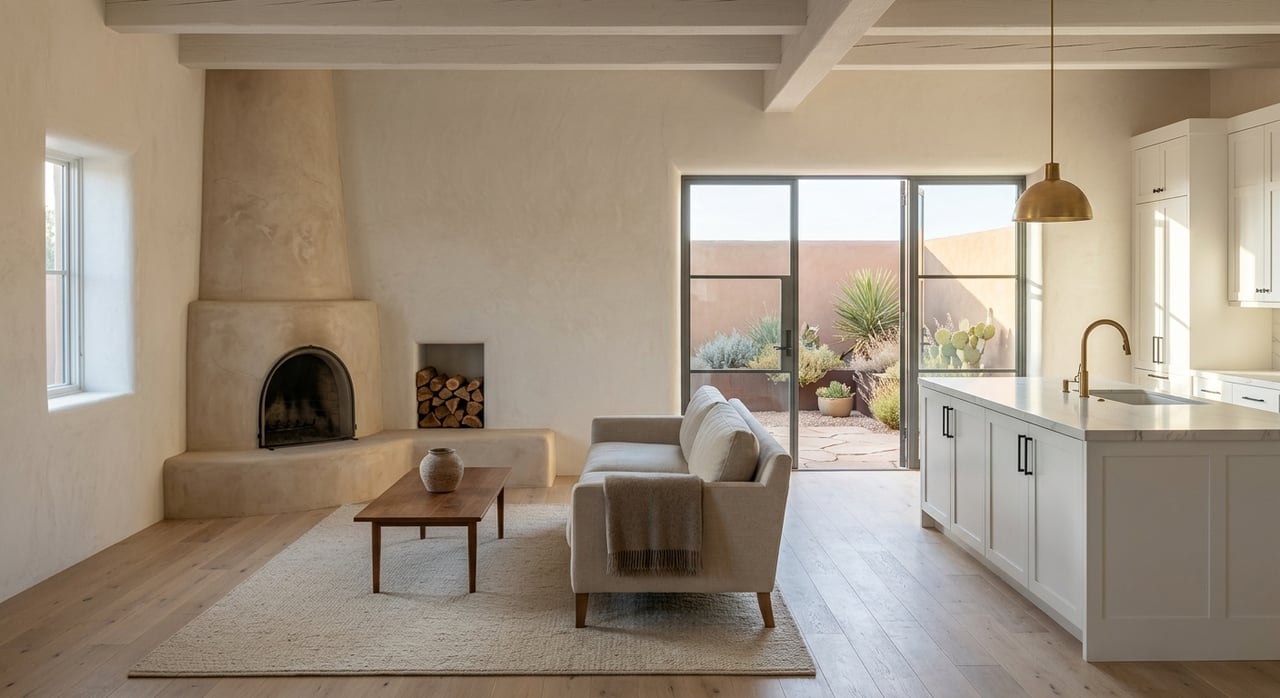
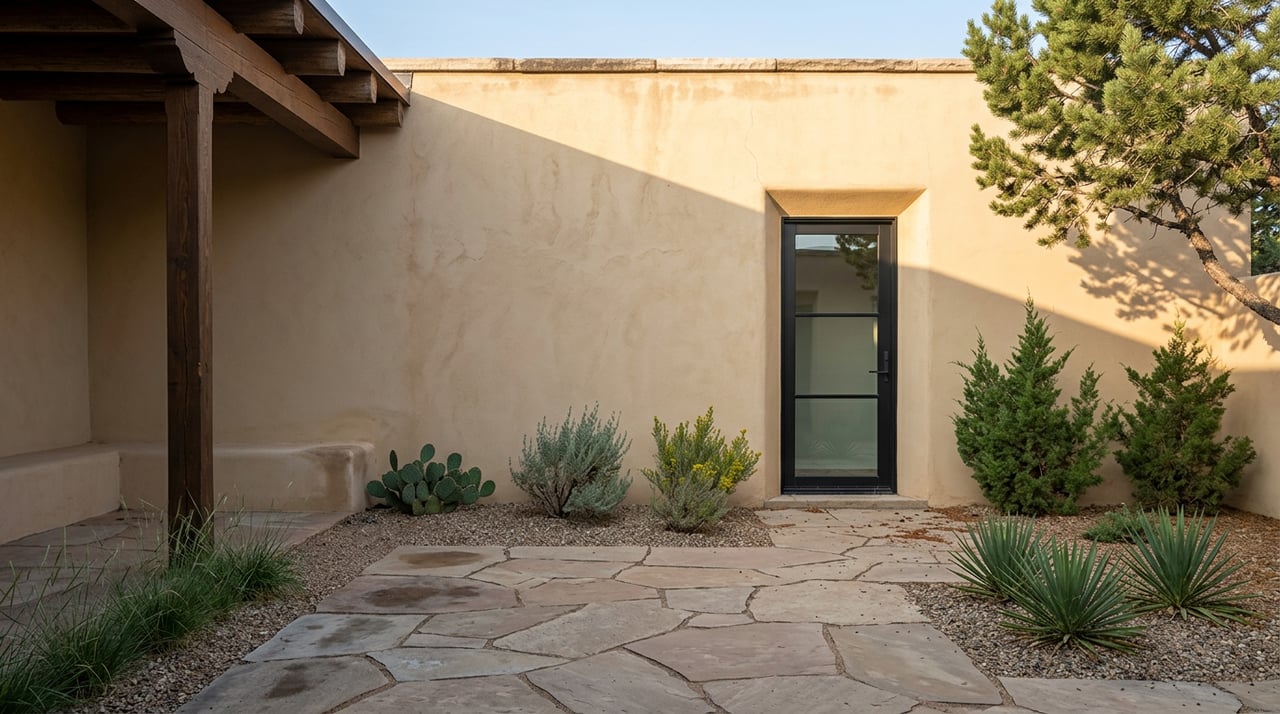
Arroyo Seco sits along the NM 150 corridor between Taos town and the approach to Taos Ski Valley. The village feels small and linear, with clusters of storefronts, art spaces, and cafés woven between residential streets. You get a mix of historic adobe and vernacular mountain homes alongside newer vacation properties.
You can walk to coffee, casual dining, small markets, and galleries from many homes near the village core. The setting is high-desert foothill country, so elevation, winter weather, and terrain play into daily access and comfort. Many buyers choose Seco to be close to both Taos town amenities and the mountains without living at the resort.
What is walkable in Seco
Daily necessities and treats
In the village core, you typically find cafés, casual restaurants, galleries and studios, and a few specialty retailers. Small market and food options are common, though they may not replace a full grocery run. Community gathering spots, like churches or art spaces, add to the pedestrian energy during the day and early evening.
Social life on foot
Local arts events and seasonal festivals bring extra vibrancy to the main streets. You can meet friends for a bite, visit an opening, and wander between shops in a compact area. Expect more activity during summer and ski season when hours extend and visitors come through.
How to evaluate walkability at a property
Sidewalks and crossings
Sidewalks in rural mountain villages can be sporadic. Some blocks have clear pedestrian space, while others rely on narrow shoulders. When you tour, map the exact route from the front door to the nearest café and note crossings and sightlines.
Terrain and grade
Elevation changes matter. Even a short route can feel longer if it includes a steep grade, stairs, or unpaved segments. Try the walk at the pace you would use with a bag of groceries or a stroller and see how it feels.
Lighting and winter maintenance
Winter brings snow and ice, and street lighting can be limited. Ask who maintains the road and sidewalk, how quickly snow is cleared, and whether black ice is common on your path. A property with a sunny aspect and good plow access makes winter walking more realistic.
Quick walkability checklist
- Time your walk to the nearest café, shop, and gallery.
- Look for sidewalks or safe shoulders the whole way.
- Check for steep grades, stairs, and unpaved stretches.
- Visit at dusk to gauge lighting and visibility.
- Ask about winter plowing on your street and driveway.
Getting around with fewer car trips
Short walks and bike rides
For daily outings inside the village, walking is practical and pleasant. Short bike rides work for errands, too, although shoulder width and surface conditions vary by segment. Longer rides to Taos or the ski area require comfort with elevation changes and rural road conditions.
Trails and outdoor access
The corridor between Taos and the mountains offers trail access for hiking and single-track, with proximity that varies by property. If trails are important, confirm the nearest access points during your tour and consider where you would store gear at home.
Car-light, not car-free
You can expect a car-light lifestyle for daily needs near the core, but a fully car-free life is challenging in this rural setting. You will likely still use a vehicle for bigger grocery runs, medical appointments, regional travel, and winter conditions. Plan for deliveries and rides in advance so you can stay flexible.
Seasons and what they mean for you
Winter and ski season
The ski season brings more visitor traffic and higher parking demand. NM 150 is maintained but can be icy and slow during storms. Confirm your driveway’s slope, turnarounds, and plow arrangements, and expect more noise and activity during holiday periods.
Summer and shoulder seasons
Summer and the shoulder seasons spark more community events, art happenings, and mountain recreation. Many businesses extend hours, and pedestrian activity increases. Some shops and restaurants operate seasonally, so verify hours if you rely on a favorite spot.
Spring thaw and mud season
As snow melts, rural roads and driveways can get muddy or rutted. Look at drainage patterns, driveway surfacing, and where water collects on the property. Good grading makes a noticeable difference during this window.
Practicalities to verify before you buy
Parking and guest space
Older village lots may have limited off-street parking. Confirm space for your vehicles and occasional guests, and note any slope that could complicate winter use. On-street parking can be limited or informal, so check local rules and enforcement.
Utilities and home systems
Properties may be on public water and sewer in some pockets, but many use wells and septic systems. Ask for connection details, capacity, and recent inspections. Heating is often electric, propane, or wood stove. Confirm fuel access, chimney condition, and any insurance or fire mitigation requirements. Broadband and cell coverage can be variable, so identify available providers and speeds by address and consider wireless or satellite backups. Waste collection and mail pickup can differ from urban norms, so clarify routes and schedules.
Regulations and safety
Short-term rentals are common in Taos County, but owners typically need to register and collect lodging taxes. Verify county and state requirements before underwriting rental income. Wildfire exposure is a consideration in foothill areas. Evaluate defensible space, access for emergency vehicles, and the availability and cost of insurance. Some properties may fall under preservation or design review, so check county planning and any local standards before you plan changes.
Healthcare and schools
The nearest hospital and urgent care are in Taos, and response times can be longer than in dense urban areas. Public school options are served by the Taos County district, and there are private and charter choices in the greater area. Confirm specific assignments and transportation during your search.
Real estate snapshot and market drivers
Housing types you will see
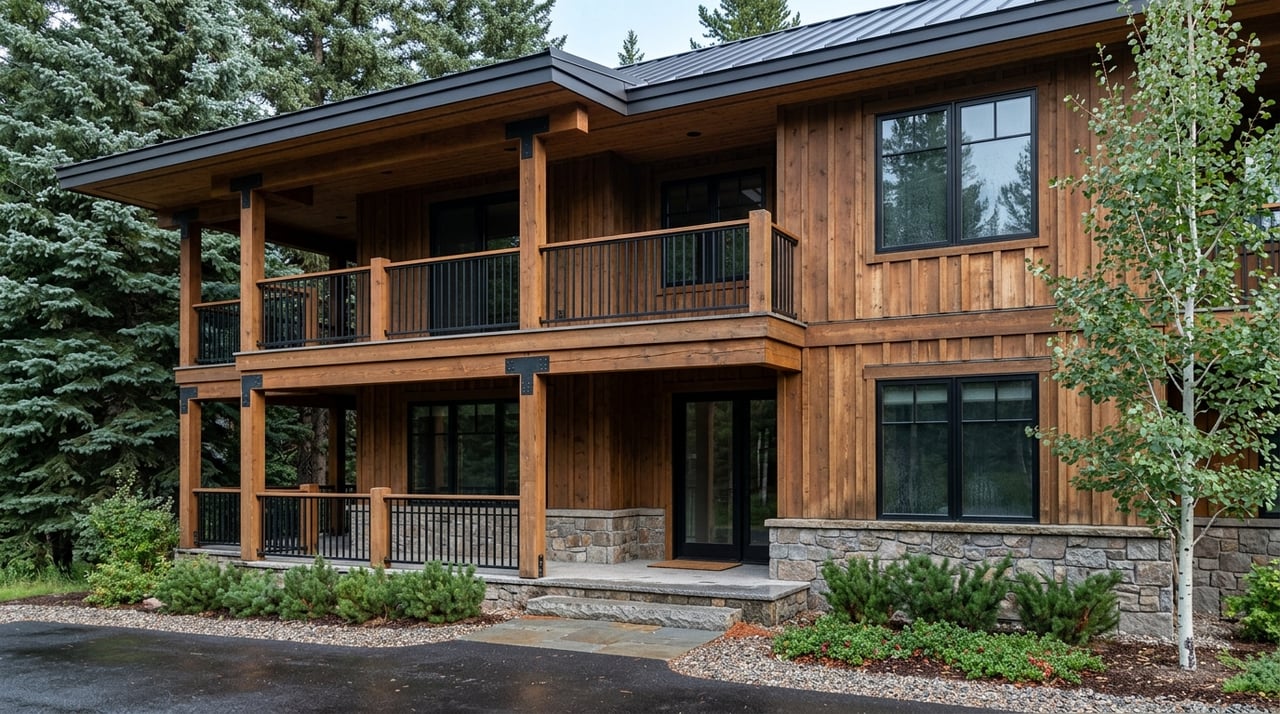
You will find historic adobe and vernacular homes, mountain cabins, modern renovations, small condos and townhomes, and land for custom builds. Closer to ski access roads, condos and duplexes are common for second homes.
Why some homes command a premium
Homes within an easy walk of cafés and shops, with simple winter access and a convenient location along the ski road, often see premium pricing. Inventory and pricing can swing seasonally, with more listing activity and price sensitivity in the shoulder months. Remote-work trends keep interest strong, but broadband and year-round access remain key factors.
Typical buyer motivations
Some buyers want a primary home near local work or small business life. Others want a second home that balances town and mountain access. Investors may consider short-term rental strategies, but should review rules, lodging taxes, insurance, and community sentiment first.
Due diligence: what to ask and check
- Time the walk from the property to your most-used spot. Note sidewalks, shoulders, grades, and crossings.
- Measure off-street parking and identify guest options for busy seasons.
- Confirm winter access: driveway slope, turnaround space, plow service, and any past closures nearby.
- Document utilities: public water or well, septic details, heating type and fuel, broadband providers and speeds.
- Review zoning, any HOA covenants, and short-term rental rules including registration and lodging taxes.
- Assess fire risk: defensible space, distance to fire services, and insurance implications.
- Ask about responsibility for snow removal on your street and any planned infrastructure projects.
- Check peak visitor periods and seasonal business hours that could affect noise and convenience.
- Request hazard maps for flood, landslide, or wildfire zones and obtain an insurance quote early.
Is a car-light Seco lifestyle right for you?
If you love a small-village feel, enjoy walking to coffee and galleries, and do not mind driving for bigger errands or winter travel, Seco can be a great fit. The rhythm changes with the seasons, and that is part of the charm. The key is verifying walkability from the specific property you choose and confirming how your daily routine will work year-round. With careful due diligence, you can set yourself up for a low-stress, low-car life that still connects you to everything Taos offers.
Ready to explore Arroyo Seco?
If walkable village life is calling, let a local concierge broker guide your search and the details that matter in this market. From verifying walk routes and winter access to coordinating inspections and vendors, you can move forward with clarity. Reach out to Victoria Gunn Real Estate to plan a property tour and map your car-light lifestyle.
FAQs
Can you live car-free in Arroyo Seco?
- You can live car-light for daily needs near the village core, but a fully car-free lifestyle is difficult due to groceries, medical appointments, regional travel, and winter conditions.
How is winter driving and walking along NM 150?
- NM 150 is maintained, but it can be icy and slow during storms; confirm driveway plowability, turnaround space, and who clears snow on your street and sidewalks.
Are shops and restaurants open year-round in Seco?
- Some operate year-round and others are seasonal; services expand during summer and ski season, so verify current hours for spots you plan to visit often.
What utilities should I confirm before buying in Seco?
- Verify water source and sewer or septic details, heating system type and fuel access, broadband availability and speeds by address, and waste and mail service routines.
Is Arroyo Seco good for short-term rentals?
- Demand rises in ski and festival seasons, but always review Taos County short-term rental rules, lodging tax requirements, insurance, and local community attitudes.
What types of homes are common near the village core?
- You will see historic adobe, mountain cabins, modern renovations, small condos and townhomes, and lots for custom builds, with premiums for easy walkability and winter access.