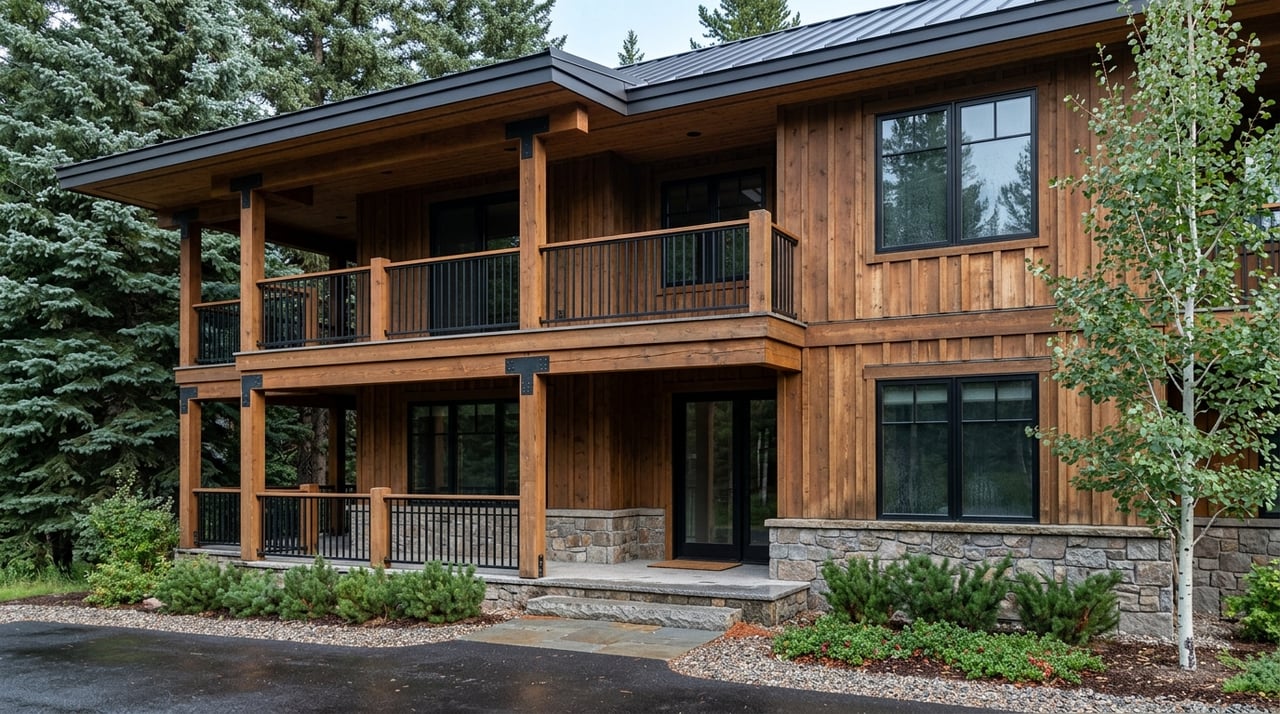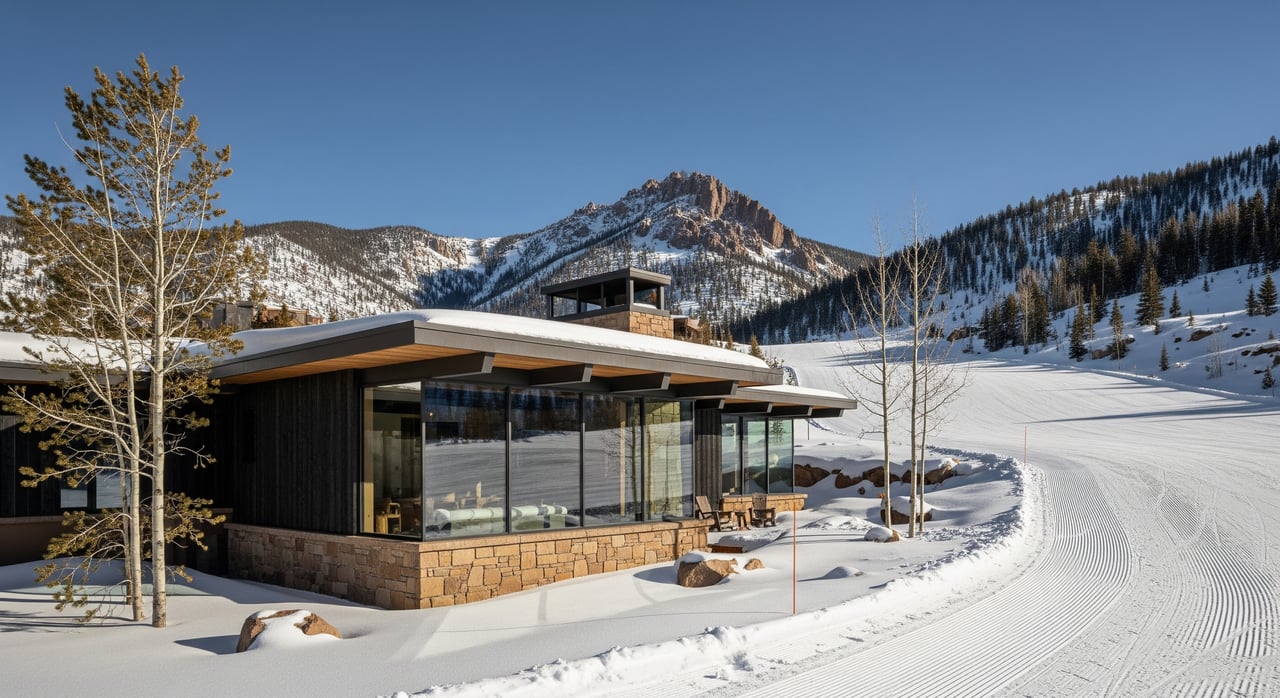
Are you trying to decide whether to buy or list in Taos Ski Valley as snow starts to fly? In a small alpine market, timing is everything. If you understand how ski season shapes inventory, pricing, and days on market, you can position your condo or chalet for the best result. This guide breaks down seasonality, condo vs. chalet dynamics, and negotiation windows so you can act with confidence. Let’s dive in.
Seasonality drives demand
Taos Ski Valley is a true micro-market with small inventory and high month-to-month swings. Buyer demand is concentrated among second-home owners and investors, which magnifies seasonal patterns.
Here’s the typical annual rhythm:
- Pre-season, late summer to November: interest ramps up as buyers aim to close before winter.
- Peak season, December to February: demand stays strong, but new listings are limited; many closings began earlier.
- Late season to spring, March to May: more listings come to market after winter use; buyers who waited reengage.
- Summer, June to August: activity slows, though value-focused buyers and some investors shop off-season.
Inventory and pricing by season
Inventory often sits lowest just before and during core winter months, then rises into spring and summer. That low winter supply can tighten pricing for well-positioned properties near the village or lifts.
- Sellers: Listing in late summer or early fall captures the strongest pre-season traffic. If your pricing is competitive, you can see quicker interest and cleaner terms.
- Buyers: Late spring and summer usually bring more options. Properties that did not move in-season can present negotiation opportunities on price or terms.
Local conditions can amplify these swings. Snowfall and season length influence urgency, lift operations and resort investments can draw new buyer attention, and winter road access affects showing activity. Short-term rental performance also peaks in high season, which matters for condo investors.
Condos vs. chalets
Condos and single-family chalets perform differently in Taos Ski Valley. Understanding these patterns helps you time your move.
Condos: faster turnover, investor appeal
Condos tend to trade more frequently due to lower entry prices, easier winter access, and short-term rental potential. When several units are available at once, pricing can be more competitive and elastic.
What to review for any condo:
- HOA documents: meeting minutes, annual budget, reserves, and any planned assessments.
- Rental rules: short-term rental policies, owner occupancy limits, and historical rental performance if available.
- Practicals: parking and storage, elevator access, proximity to lifts, ski lockers, and winter access.
Chalets: higher entry point, slower timelines
Chalets draw a smaller buyer pool but offer privacy, space, and potential for ski-in/out in select locations. Days on market can be longer because qualified buyers are fewer and price points are higher.
What to review for any chalet:
- Year-round access: road maintenance, snow removal plans, and winter logistics.
- Systems and efficiency: heating type, insulation, and energy costs.
- Infrastructure: septic or municipal sewer, well details, and any expansion or subdivision restrictions.
Days on market and leverage
In a micro-market, DOM can swing widely. Well-priced condos often move faster in pre-season and early season. Higher-priced chalets and off-season listings typically take longer, and a few outliers can skew averages.
For clearer signals, track rolling 3 to 6 month medians by property type and price band. Median DOM and months of inventory help you ignore noise from one-off listings.
When sellers have the edge
Late summer through early season, sellers usually see more buyer traffic. Desirable, well-presented properties near lifts can attract multiple offers. Competitive pricing and crisp presentation amplify that advantage.
When buyers have the edge
Late spring through summer, inventory is often higher and some sellers are motivated. You can negotiate for price adjustments, closing credits, flexible possession, and contingency timelines that fit due diligence in mountain conditions.
Typical concessions to consider:
- Closing cost credits
- Repair credits for deferred maintenance
- Extended closing windows to accommodate travel or rental schedules
Pricing strategies that work
Pricing too high in a small market can lead to long DOM and eventual reductions. Price visibility is high and the buyer pool is limited, so your first two weeks matter.
For sellers:
- Time your list date: August to October captures pre-season energy.
- Present for the season: professional photos that show winter access, storage, and ski convenience.
- Align with the data: anchor price to recent, property-type comps, not broader county stats.
For buyers:
- Watch list-to-sale ratios and recent concessions to gauge leverage.
- Use contingencies wisely in winter when access, utilities, or inspections may be weather dependent.
- If you missed pre-season, monitor spring relists and price reductions for opportunity.
What to track monthly
Because the sample size is small, consistency beats one-off snapshots. Build a simple monthly dashboard so you know when to act.
Key metrics to follow by property type:
- Active listings and new listings
- New pendings versus closed sales
- Months of inventory using a 3 month smoothing
- Median DOM by price band
- Median sale price and list-to-sale ratio
- For investors: estimated occupancy and nightly rates from a trusted STR source
Useful visuals include a 24 month line chart of active listings for condos vs. chalets, a bar chart for new pendings and closed sales, and a quarterly table for median DOM and price by property type. A simple calendar-style heatmap showing buyer vs. seller leverage by month helps you time offers and list dates.
How we help you read the signals
You do not need to decode this alone. With concierge-level service, local knowledge, and design-forward presentation, you can move with clarity. We tailor pricing and timing to real, rolling MLS data for Taos Ski Valley, then stage, coordinate vendors, and manage logistics so your property shines in the right season.
If you are buying from out of state, we streamline showings, due diligence, and closing. If you are selling, we bring practical systems for prep, photography, and launch so you capture prime pre-season traffic.
Ready to talk strategy for your condo or chalet? Connect with Victoria Gunn Real Estate to align timing, pricing, and presentation with the season. Schedule Your Concierge Consultation.
FAQs
When is the best time to list a condo in Taos Ski Valley?
- Late summer to early fall typically offers the strongest pre-season buyer traffic and faster movement for well-priced units.
When is the best time to list a chalet in Taos Ski Valley?
- Early fall can work well, but allow for a longer runway since higher price points draw a smaller, more selective buyer pool.
Do condos sell faster than chalets in Taos Ski Valley?
- Generally yes, condos turn over more quickly due to broader buyer demand and investor interest, while chalets often have longer DOM.
Is it better to buy in-season or off-season for value?
- Off-season, especially late spring and summer, often gives buyers more leverage on price and terms when inventory is higher.
How does rental seasonality affect value for condos?
- Strong winter occupancy and nightly rates can boost investor demand, which supports condo pricing during and before ski season.
What concessions are common and when are they likely?
- Price reductions, closing credits, and flexible possession are more common in late spring and summer when sellers are more motivated.
Which local factors can shift timing or pricing?
- Snowfall and season length, resort operations or new amenities, winter road access, and any short-term rental policy changes can all influence demand.